
Developing Future Leadership Skills in Diverse Project Teams: Diversity, Equity, Inclusion, and Belonging
The importance of soft skills and DEIB themes (diversity, equity, inclusion, and belonging) in project work is steadily increasing. Project work requires nowadays more than technical expertise and hard skills, as organizations are also expected to improve their DEIB competences as part of responsible and sustainable practices. These developments highlight growing demands from both project leaders and team members, especially in increasingly diverse project work.
The research examined soft skills in project work from the perspective of inclusive leadership, focusing on organizational challenges and opportunities for both project managers and team members. It also explores gender differences in how DEIB themes and soft skills are experienced. This work was conducted as part of the preparation of the DIVIN project proposal by the Global Gateway research group at Turku University of Applied Sciences.
Soft skills and DEIB shape how diverse teams build trust, maintain focus, and deliver.
Changing Project Context in Hybrid, Virtual and Culturally Diverse Environments
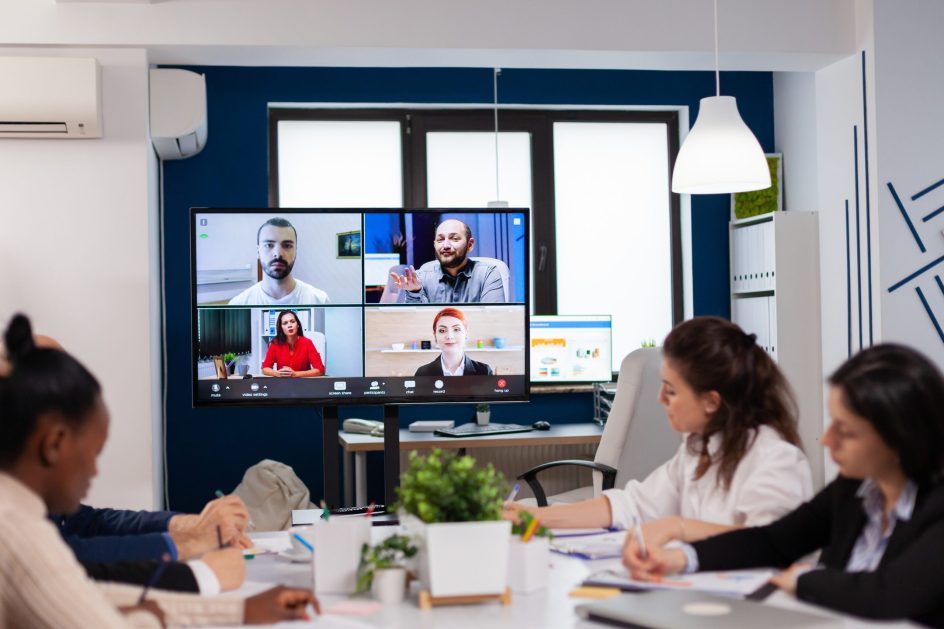
Project work is also increasingly shifting towards hybrid and virtual environments with culturally diverse teams. In this context, soft skills such as communication, empathy, collaboration, adaptability, and self‑leadership are critical success factors, enabling effective communication, team cohesion, trust, and motivation. Together with inclusive leadership, these competencies create important skills essential for effective and future‑oriented project work.
Hybrid and virtual modes introduce practical challenges: language choices matter, silent participation can intensify online, and misunderstandings may grow when co‑located cues are missing. Under these conditions, the ability to coordinate across differences and to support belonging and inclusion is directly linked to project outcomes.
Research Design
To identify the most important soft skills required from project team members and leaders, a European multilingual survey was conducted, collecting both quantitative and qualitative data. In addition, a workshop was organized for Finnish master’s students enrolled in a project management course at Turku University of Applied Sciences.
This mixed‑methods approach enabled a detailed understanding of current practices, perceptions, and skill requirements, while also supporting and understanding a future‑oriented perspective. The survey included 121 participants from across Europe who responded in five languages, representing diverse ages, organizational roles, and modes of work.
Key Findings for Soft Skills and Inclusive Leadership
The results indicate that soft skills and DEIB competencies are crucial for successful project management. Both project managers and team members emphasized interpersonal skills, self‑leadership, empathy, language skills, and the ability to work effectively in diverse teams.
Inclusive leadership was considered particularly important for handling potential conflicts, supporting team engagement, and ensuring that all team members feel valued. Among these competencies, self‑leadership emerged as the most important skill for inclusive leaders including prioritization, emotional regulation, boundary setting, and the capacity to maintain focus while creating space for others.
In practice, inclusive leadership in diverse, hybrid, and virtual teams means intentional facilitation, clear decision processes, visibility of roles, and attention to cultural and linguistic nuances. These elements help sustain effective communication, cohesion, trust, and motivation over the project lifecycle.
Gendered Experiences with Different Emphases and Shared Goals
The findings also revealed gender differences in how DEIB themes and soft skills are experienced. Women reported stronger awareness and understanding of DEIB competencies and placed greater emphasis on empathy, psychological safety, belonging, and inclusion, along with their challenges. They also feel that developing DEIB‑themes is necessary. Men, while also recognizing the importance of DEIB and soft skills, tended to focus more on performance and project outcomes.
These differences highlight the need for leadership to acknowledge diverse experiences and points of view, rather than relying on a single leadership model across all organizations or projects. When teams recognize these emphases as complementary, they can integrate relational conditions (safety, belonging, inclusion) with delivery conditions (clarity, outcomes, performance) in a mutually reinforcing way.
Why These Capabilities Matter
The findings demonstrate that soft skills and DEIB competences are no longer optional in project work and leadership, but essential requirements. Organizations that fail to invest in these competencies risk reducing team performance, lowering engagement and creativity, and adding challenges in attracting and retaining diverse talent. In project contexts, this can manifest as extended timelines, scope creep, and friction in stakeholder communication.
At the same time, inclusive leadership, supported by self‑leadership, communication, empathy, collaboration, adaptability, and language awareness, helps teams navigate diversity constructively. It turns different perspectives into assets for risk identification, decision quality, and resilience. As hybrid and virtual work continues to rise, both leaders and team members must be capable of navigating collaboration and communication effectively in diverse, hybrid, and digital environments.
Key Takeaways for HR
- Soft skills and DEIB are core performance enablers in hybrid, virtual and culturally diverse project teams.
- Self‑leadership is the top competency for inclusive leaders; communication, empathy, collaboration and language skills are strongly valued across roles.
- Inclusive leadership fosters psychological safety, engagement and effective conflict handling, enabling belonging alongside results.
- Gendered emphases differ but complement each other (women: empathy, safety, belonging; men: performance, outcomes), widening teams’ collaborative capacity when recognized.
- Treat these capabilities as everyday ways of working in projects, not standalone trainings, let them shape meetings, feedback and decision processes.
Conclusion
Overall, the research demonstrates that soft skills and DEIB competences play a vital role in project work. Inclusive leadership promotes a unifying framework that brings these elements together, benefiting teams, projects, and organizations. By recognizing diverse gender experiences and addressing inclusion systematically, organizations can enhance project outcomes while fostering more equitable and sustainable working environments.
Citation
Vigato, V. (2025). Tulevaisuuden johtamistaitojen kehittäminen monimuotoisissa projektitiimeissä – monimuotoisuus, tasa-arvo, osallisuus, yhteenkuuluvuus. Theseus. https://urn.fi/URN:NBN:fi:amk-2025120833439
Acknowledgement
This research was conducted as part of the preparation of the DIVIN project proposal by the Global Gateway research group(later Leadership DEvelopment) at Turku University of Applied Sciences.